Keep Water Out
Water is one of the biggest concerns for asphalt, especially with the freeze-and-thaw cycles we experience in the Black Hills.
Once water finds its way through cracks in the surface, it can reach and weaken the materials underneath the pavement. When that moisture freezes and expands, existing cracks can grow and additional deterioration can occur.
Good drainage matters, too. Water shouldn’t continually pool on the driveway or along its edges. Keep gutters, downspouts and drainage channels directed away from the driveway, and make sure landscaping isn’t preventing water from draining properly.
If you notice water repeatedly collecting in the same spot, it could indicate a low area, drainage problem or weakness underneath the pavement.
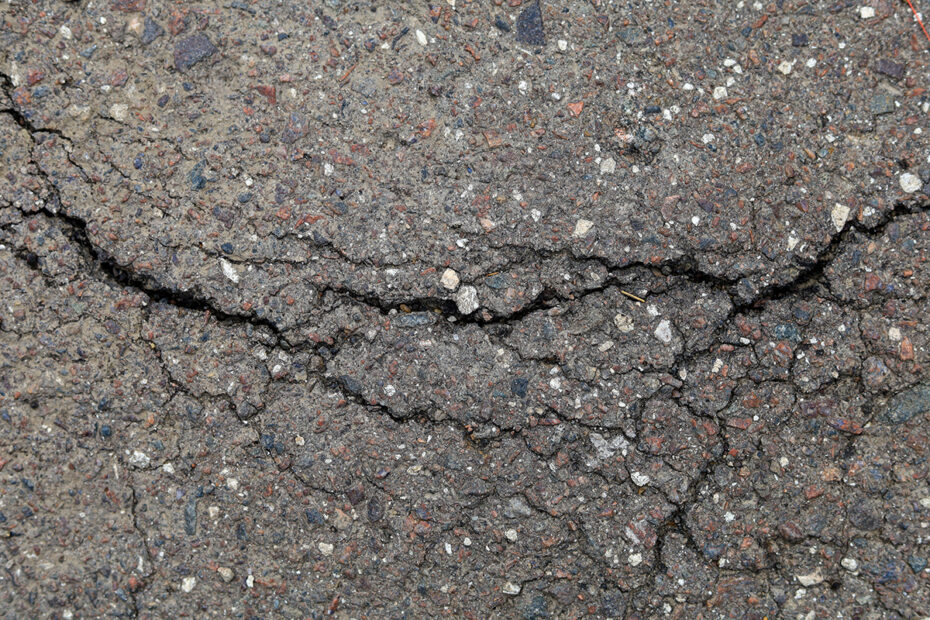
Don't Ignore Small Cracks
A small crack might not seem like a big deal, but it’s much easier to address while it’s still small.
Crack sealing helps prevent water and debris from getting into the pavement structure. As cracks grow and allow more moisture underneath the asphalt, what began as a relatively simple maintenance issue can eventually contribute to potholes, broken edges and sunken areas.
Make a habit of looking over your driveway in the spring and fall, particularly after a Black Hills winter. If new cracks have appeared, don’t wait until they’re large enough to become a major problem.
Sealcoat at the Right Time
Sealcoating can be a useful part of an asphalt maintenance plan, but more isn’t necessarily better.
As asphalt ages, exposure to sunlight, moisture and oxidation can cause the surface to become faded, dry and brittle. A properly applied sealer can help protect pavement that’s still in good condition while also refreshing its appearance.
New asphalt doesn’t need to be sealcoated immediately. It needs time to cure first, and after that, the condition of the pavement, weather exposure and amount of traffic should help determine when another treatment is appropriate. Your original article also emphasized that sealcoating is preventive maintenance rather than a solution for a driveway that’s already failing.
Cracks, potholes, drainage problems and structural issues should be repaired rather than simply covered with sealer.
Keep the Surface Clean
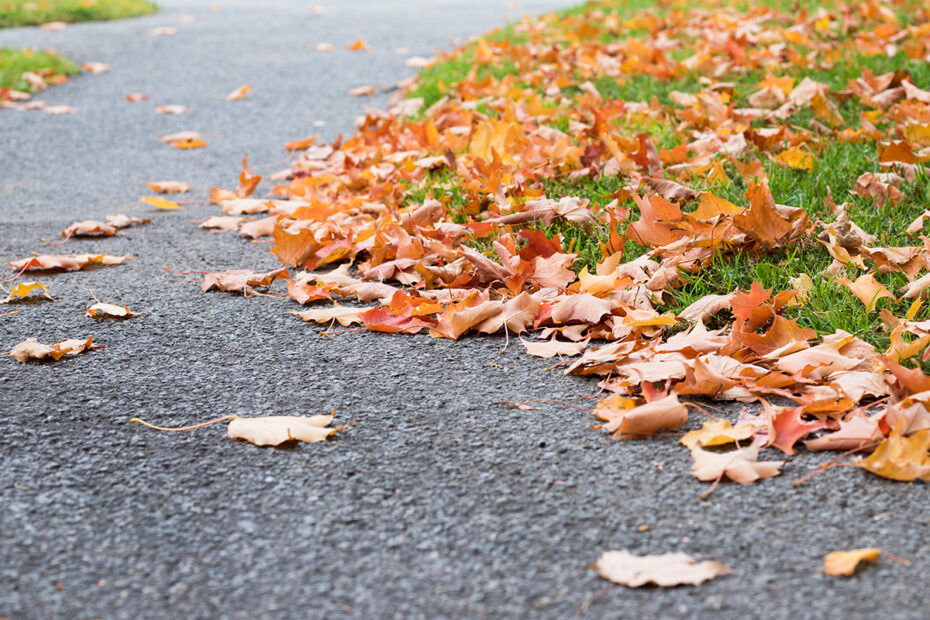
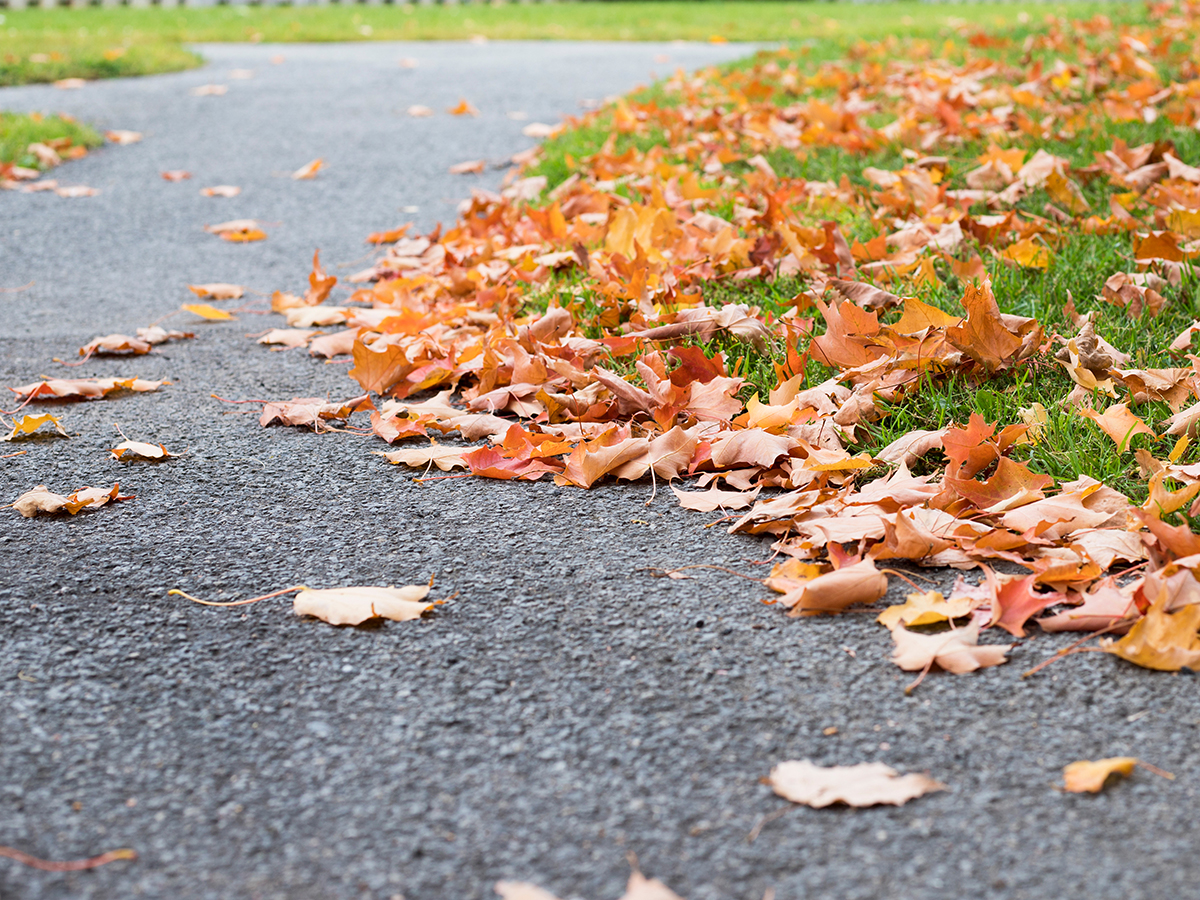
Dirt, leaves, grass clippings and other debris can collect moisture on the driveway and encourage vegetation growth along the edges.
Regularly sweeping or blowing off the surface also gives you a chance to see what’s happening with the pavement. Watch for new cracks, loose material, low spots and areas that appear to be deteriorating.
Oil, gasoline and other automotive fluids should also be cleaned up as soon as possible rather than being allowed to sit on the pavement.
Protect the Driveway's Edges
The edges of an asphalt driveway are often more vulnerable because they don’t have the same support as the pavement in the center.
Avoid repeatedly driving heavy vehicles over unsupported edges or parking with tires directly along them. Pay attention to erosion and keep surrounding soil and landscaping properly graded so water doesn’t wash away the material supporting the pavement.
If the edges begin crumbling or breaking apart, addressing the problem early can help keep the damage from moving farther into the driveway.
Be Careful With Heavy Loads
Asphalt is strong, but exceptionally heavy or concentrated loads can leave impressions, particularly during hot weather when the surface becomes more flexible.
RVs, heavy trailers, dumpsters or construction equipment can put considerable weight on the pavement when left in one place for an extended period.
Smaller contact points can cause problems, too. Motorcycle kickstands, trailer jacks and similar items concentrate a lot of weight into a very small area. Placing a sturdy board or protective pad underneath can help distribute the weight across a larger portion of the driveway.
Take Care When Removing Snow
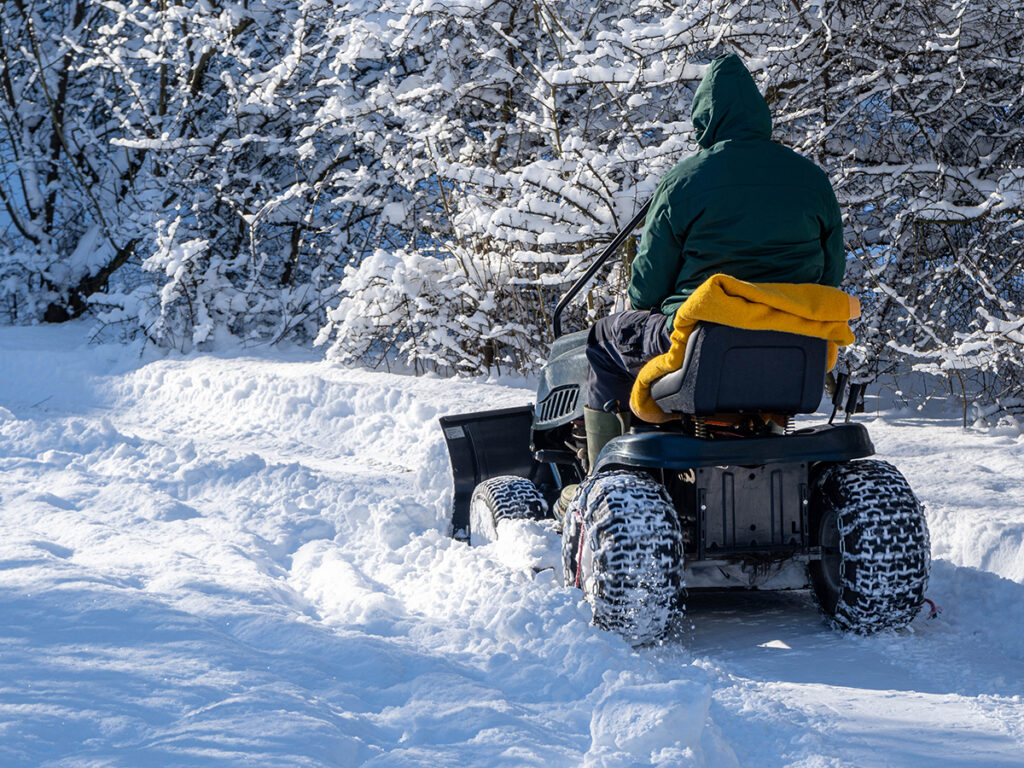
Snow removal is part of life in the Black Hills, but aggressive plowing can be hard on asphalt.
When shoveling or plowing, be careful with sharp metal edges that can scrape the surface or catch on existing cracks. Removing snow before it becomes packed down can also help reduce ice buildup.
If you’re using a deicing product, follow the manufacturer’s directions and make sure it’s appropriate for the surface.
Pay Attention to Problems That Keep Coming Back
Not every asphalt problem starts at the surface.
If the same crack keeps returning, an area continues to sink or a pothole repeatedly develops in one location, the real issue may be underneath the pavement. Poor drainage, erosion or weakness in the base can all contribute to recurring problems.
In those cases, repeatedly filling the crack or covering the surface may not provide a lasting solution. The underlying problem may need to be addressed first.
That’s also why it’s important to recognize the difference between maintenance and repair. Crack sealing and sealcoating can help preserve asphalt that’s still in reasonably good condition, but they can’t correct a failing base or make significant structural problems disappear.
Give Your Driveway a Regular Checkup
You see your driveway every day, which can actually make gradual changes harder to notice.
A couple of times a year, take a closer look for:
- Developing or expanding cracks
- Loose or crumbling edges
- Faded or deteriorating pavement
- Low areas or standing water
- Soft or sinking spots
- Surface material beginning to loosen
- Areas that may need patching or other repairs
Catching these signs early doesn’t necessarily mean major work is needed. In many cases, addressing a problem while it’s small gives you more options and can help prevent a more extensive repair later.
A Little Maintenance Goes a Long Way
You don’t have to wait until an asphalt driveway looks worn out to start thinking about it.
Keep it clean. Watch the drainage. Take care of cracks. Protect the edges. Be mindful of heavy loads and snow removal. Sealcoat when the condition of the pavement calls for it, and pay attention when the same problem keeps returning.
The goal is to stay ahead of deterioration while problems are still manageable. Regular maintenance can help protect your investment, extend the useful life of your driveway and reduce the likelihood of larger repairs down the road.