But some everyday habits, along with our Black Hills weather, can contribute to deterioration. Paying attention to a few problem areas can help you catch damage earlier and get more life out of your driveway.
1. Letting small cracks wait
That little crack may not look urgent, but it creates an opening for water to get below the asphalt. Once temperatures drop, trapped moisture can freeze and expand. Repeated freeze-and-thaw cycles can turn a small crack into a much bigger problem.
Spring and fall are good times to walk your driveway and look for changes.
2. Ignoring where the water goes
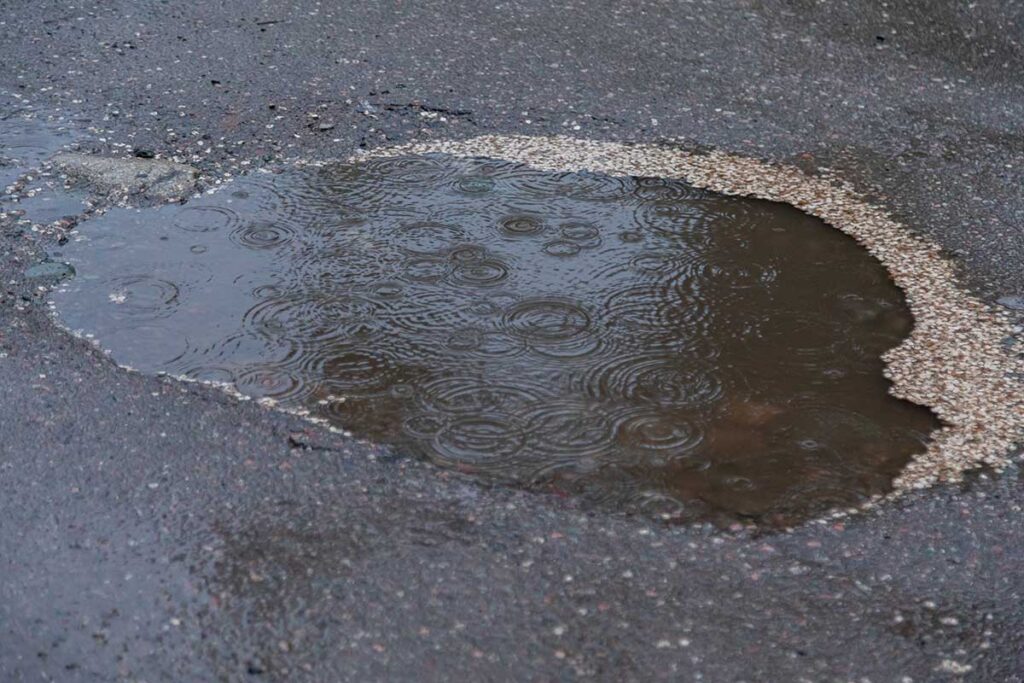
Standing water is worth paying attention to. Gutters, downspouts, landscaping and the grade around your driveway can all affect where water ends up.
If the same puddle keeps appearing, it may be more than an inconvenience. Low spots or recurring drainage problems can sometimes indicate an issue underneath the pavement.
3. Driving over the edges
The center of your driveway has pavement supporting it on all sides. The edges don’t.
Repeatedly driving or parking along an unsupported edge can cause it to crack and crumble. Erosion can make the problem worse by washing away the material supporting the asphalt.
4. Putting too much weight in one spot
Heavy trailers, RVs, dumpsters and construction equipment can put a lot of pressure on asphalt, especially when they remain in one location.
Even something much smaller can cause damage if all that weight is concentrated in one spot. Motorcycle kickstands and trailer jacks are good examples. A sturdy board or pad underneath can help distribute the weight.
5. Being a little too aggressive with the snowplow
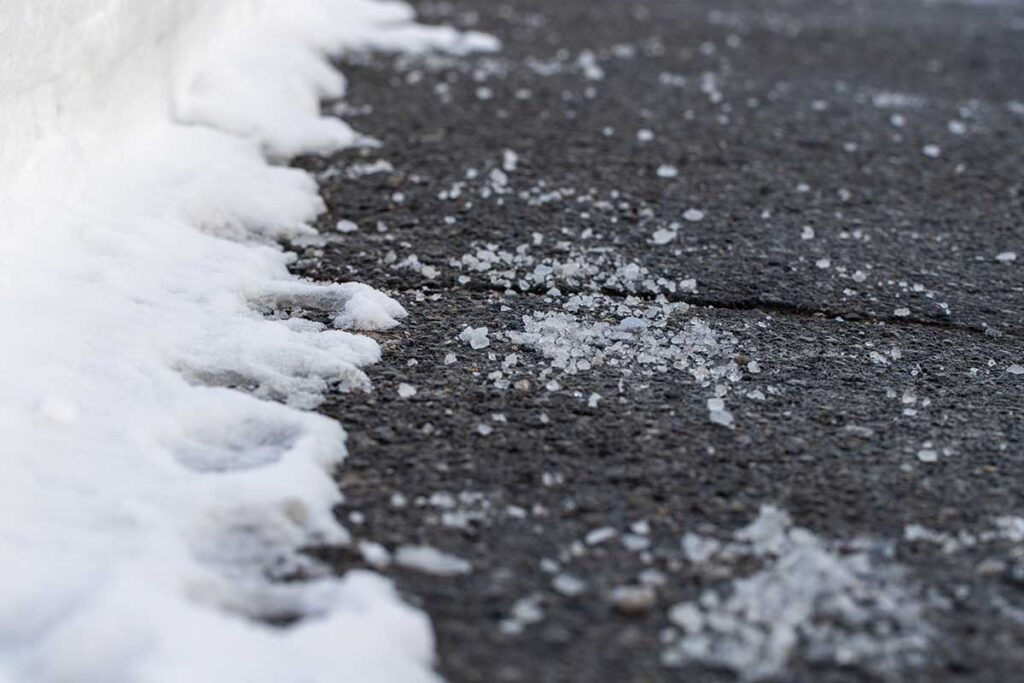
Black Hills winters aren’t particularly kind to driveways, and snow removal can add another challenge.
A sharp metal plow or shovel edge can scrape the surface or catch an existing crack. Taking a little extra care during snow removal may save you from discovering additional damage when everything melts in the spring.
6. Leaving spills and debris
Leaves, dirt and grass clippings can hold moisture and encourage vegetation along driveway edges. Oil, gasoline and other automotive fluids shouldn’t be left sitting on the asphalt either.
Keeping the driveway clean isn’t complicated, but it also gives you a chance to notice cracks, crumbling edges or other changes you might otherwise miss.
7. Trying to cover a bigger problem
Sealcoating can help protect asphalt that’s still in good condition, but it isn’t a fix for everything. Your original Ask the Expert information makes an important distinction between maintaining pavement and trying to cover a driveway that’s already failing.
If the same crack keeps returning, an area continues to sink or potholes repeatedly form in one location, the problem may be below the surface.
Pay Attention Before the Problem Gets Bigger
You don’t have to obsess over every mark in your driveway. The bigger lesson is simply to notice when something changes.
Keep water moving away, take care of cracks, protect vulnerable edges and don’t ignore recurring problems. A little preventive maintenance along the way can help you avoid turning a relatively small issue into a much larger repair.