If you’re looking to protect or personalize your vehicle, you’ve probably heard about Paint Protection Film (PPF) and vinyl wraps. While both are applied to your vehicle’s exterior, they’re designed with different goals in mind.
PPF is all about protecting your investment, while vinyl wraps are designed to change your vehicle’s appearance through custom colors or graphics. Depending on your needs, one—or even a combination of both—may be the right solution.
Let’s take a closer look.
Purpose: Protection vs. Personalization
The biggest difference comes down to what you want your vehicle to do.
Paint Protection Film (PPF)
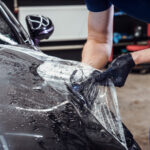
PPF is a nearly invisible, clear urethane film that protects your factory paint from:
- Rock chips
- Road debris
- Light scratches
- Bug splatter
- Road salt
- Everyday wear
Because it’s transparent, your vehicle keeps its original appearance while adding an extra layer of protection.
Vinyl Wrap
A vinyl wrap is designed to completely change your vehicle’s appearance. Whether you’re advertising your business, changing the color of your vehicle, or adding custom graphics, a wrap gives you nearly unlimited design possibilities while also providing some protection for the paint underneath.
Best for:
Choose PPF if you want to preserve your paint.
Choose a wrap if you want to transform your vehicle’s appearance.
Which Areas Can Be Covered?
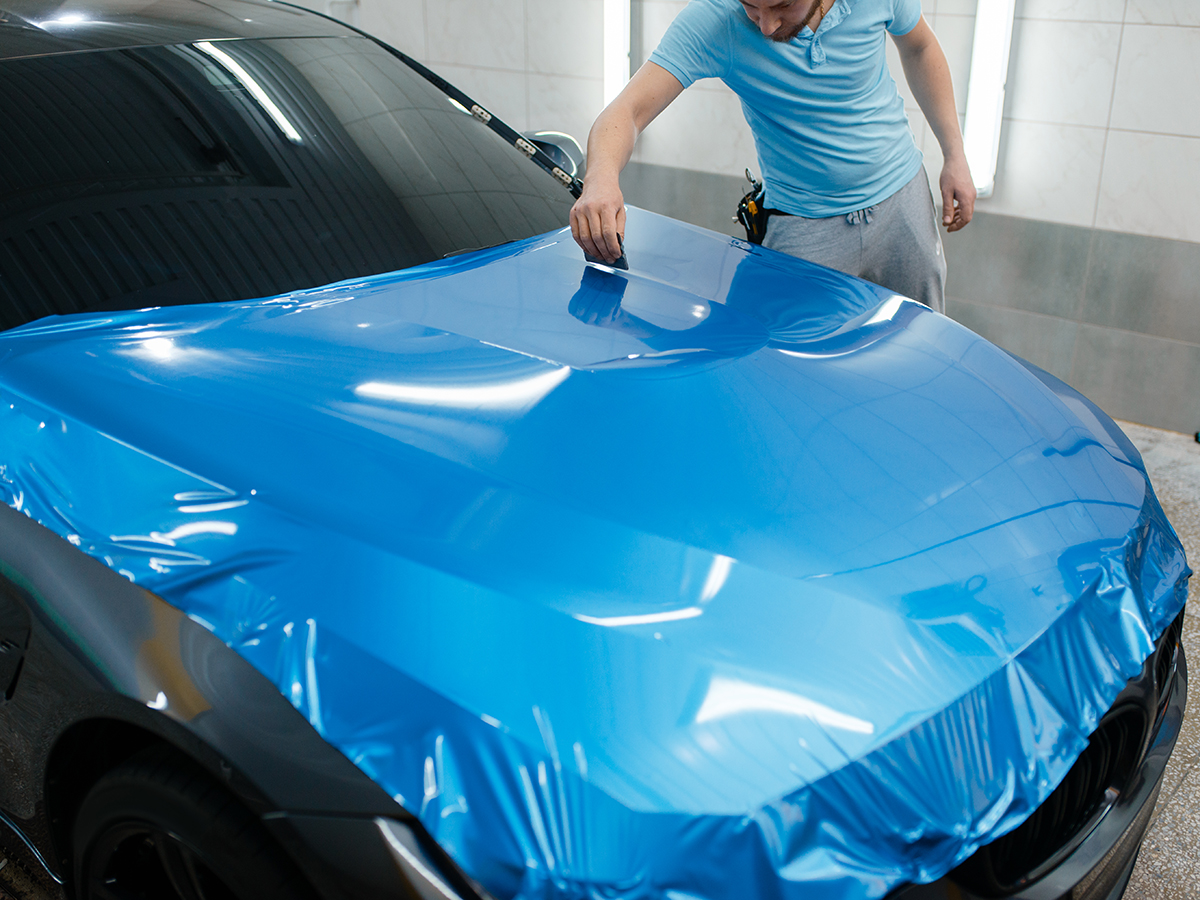
One of the biggest misconceptions is that both products have to cover the entire vehicle.
With PPF
Many customers choose to protect only the areas that receive the most abuse, including:
- Front bumper
- Hood
- Front fenders
- Side mirrors
- Door edges
- Door handle cups
Others choose full-vehicle protection for maximum peace of mind.
With Vinyl Wrap
Wraps are extremely customizable. You can wrap:
- The entire vehicle
- Hood or roof only
- Racing stripes
- Company logos
- Partial graphics
- Accent pieces
- Trailers
- Campers
- Boats
- Golf carts
- Side-by-sides
- ATVs
You can wrap as much—or as little—as you’d like.
Which One Protects Better?
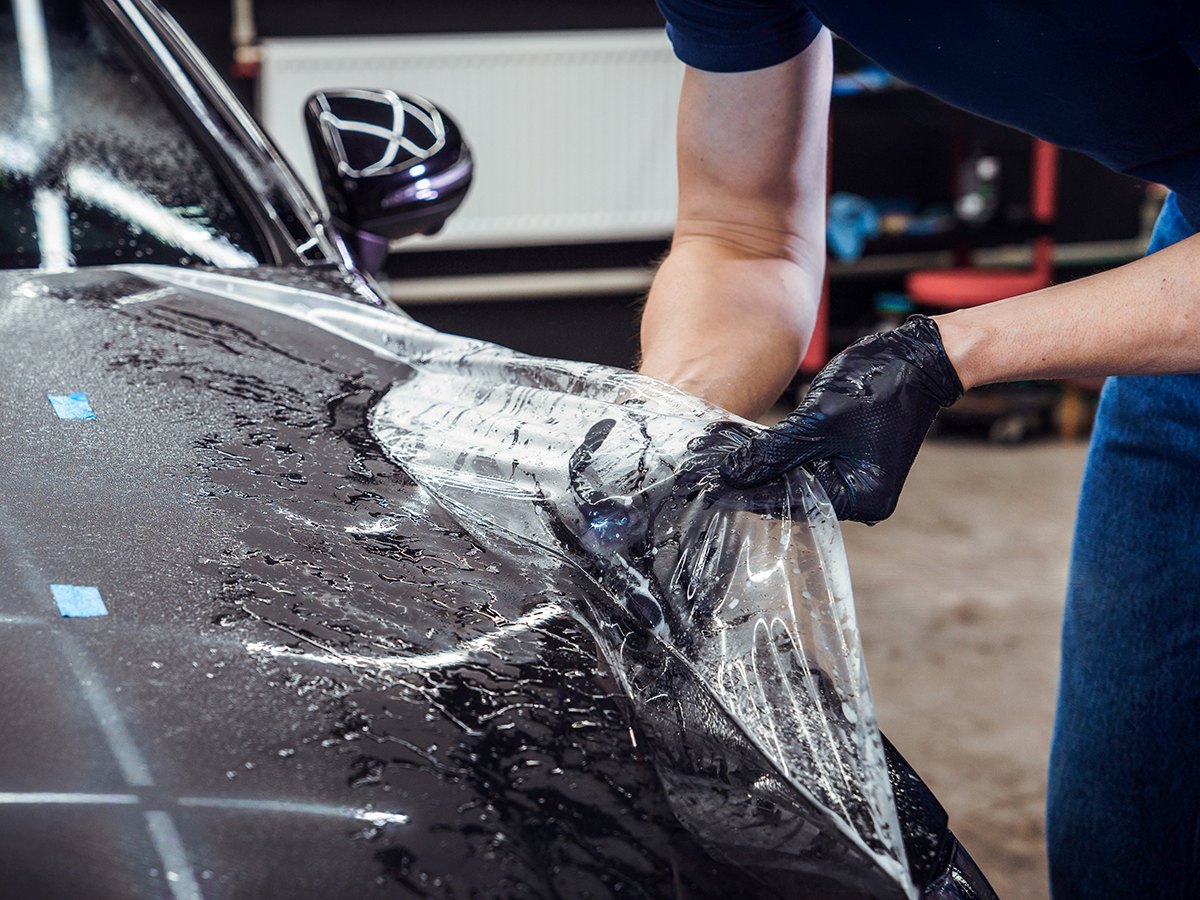
If your goal is protecting your paint, PPF is the clear winner.
Its thicker material is specifically engineered to absorb impacts from gravel, road debris, and everyday driving. Many premium films even feature self-healing technology, allowing minor surface scratches to disappear with heat from the sun or warm water.
A vinyl wrap does provide an added layer between your paint and the elements, helping reduce fading and light surface scratches, but it isn’t designed to absorb impacts the way PPF is.
Will Either One Damage My Paint?
No.
When professionally installed and removed, both PPF and vinyl wraps are safe for your factory paint.
In fact, many people are surprised to learn that both products actually help preserve the paint underneath by protecting it from UV rays, minor scratches, and everyday wear.
How Long Do They Last?
Both products offer excellent longevity when properly cared for.
Paint Protection Film
Typically lasts 5–10 years, depending on the product and driving conditions.
Vinyl Wrap
Also generally lasts 5–10 years, although lifespan depends heavily on maintenance and sun exposure.
To maximize the life of either product:
- Hand wash whenever possible.
- Remove bugs and road salt promptly.
- Avoid automatic car washes with aggressive brushes.
- Park indoors or in the shade whenever practical.
Can They Be Removed Later?
Yes.
One of the biggest advantages of both products is that they’re not permanent.
Whether you decide to sell your vehicle, update your business branding, or simply want a different look, both PPF and vinyl wraps can be professionally removed without damaging properly maintained factory paint.
What About Older Vehicles?
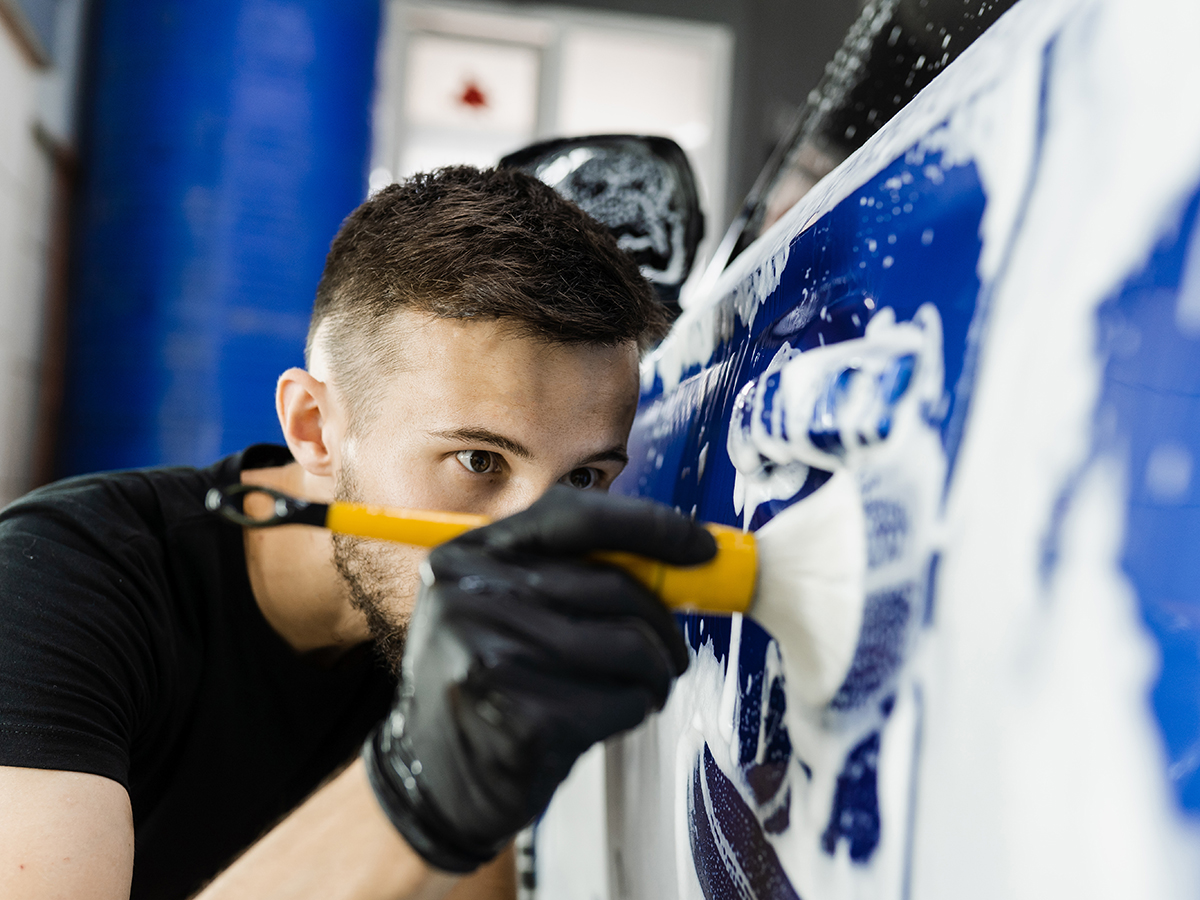
Both products work best when applied to paint that’s in good condition.
They can help freshen the appearance of an older vehicle with faded paint, but they won’t hide rust, peeling paint, or significant body damage. Surface preparation is important to ensure proper adhesion and a professional-looking finish.
Can You Use Both Together?
Absolutely.
Many vehicle owners combine both products to get the best of both worlds.
For example:
- Apply PPF to the front bumper, hood, and fenders where rock chips are most common.
- Add a vinyl wrap to change the color of the vehicle or display custom business graphics.
This combination provides maximum protection while creating a unique look.
Which Option Is Right for You?
Here’s a simple way to decide:
Choose Paint Protection Film if you:
✔ Own a newer vehicle
✔ Want to protect your investment
✔ Drive highways or gravel roads regularly
✔ Want to preserve resale value
Choose a Vinyl Wrap if you:
✔ Want a completely different vehicle color
✔ Own a business and want mobile advertising
✔ Want custom graphics or accents
✔ Want to personalize your vehicle without permanent paint
Choose Both if you:
✔ Want maximum paint protection and a customized appearance.
Let Quik Signs Help You Decide
Whether you’re protecting a brand-new pickup, advertising your business with a custom wrap, or giving your golf cart, side-by-side, trailer, or camper a fresh new look, the team at Quik Signs can help you choose the right solution for your needs.
From nearly invisible paint protection to eye-catching custom graphics, they’ll walk you through the options, create a design you’ll love, and ensure your investment looks great for years to come.