Q: How Do I Know When It's Time to Replace My Tires?
A: One of the easiest ways to check your tires at home is the penny test. Insert a penny into the tread with Lincoln’s head facing down. If you can see the top of his head, your tread has worn to about 2/32 of an inch, and it’s time to replace your tires. You should also watch for uneven tread wear, cracks, bulges, or other visible damage. Even if your tires still have tread, many manufacturers recommend replacing them after about six years, depending on their condition. Replacing worn tires helps improve traction, braking, and overall safety.
Your tires are one of the most important safety features on your vehicle, yet they’re often overlooked until there’s a problem. Knowing when it’s time to replace your tires can help you avoid costly repairs, improve your vehicle’s performance, and most importantly, keep you and your family safe on the road.
Check Your Tread Depth
One of the easiest ways to determine whether your tires need replacing is by performing the penny test.
Simply insert a penny into the tread groove with Lincoln’s head pointing down. If the top of Lincoln’s head is visible, your tread depth has worn down to approximately 2/32 of an inch, which is the legal minimum in many states and the point at which your tires should be replaced.
As tread wears down, your tires lose their ability to grip the road, especially during rain, snow, or icy conditions. Reduced tread depth increases stopping distances and raises the risk of hydroplaning.
Look for Signs of Damage
Tread depth isn’t the only thing to watch for. Inspect your tires regularly for:
Uneven tread wear
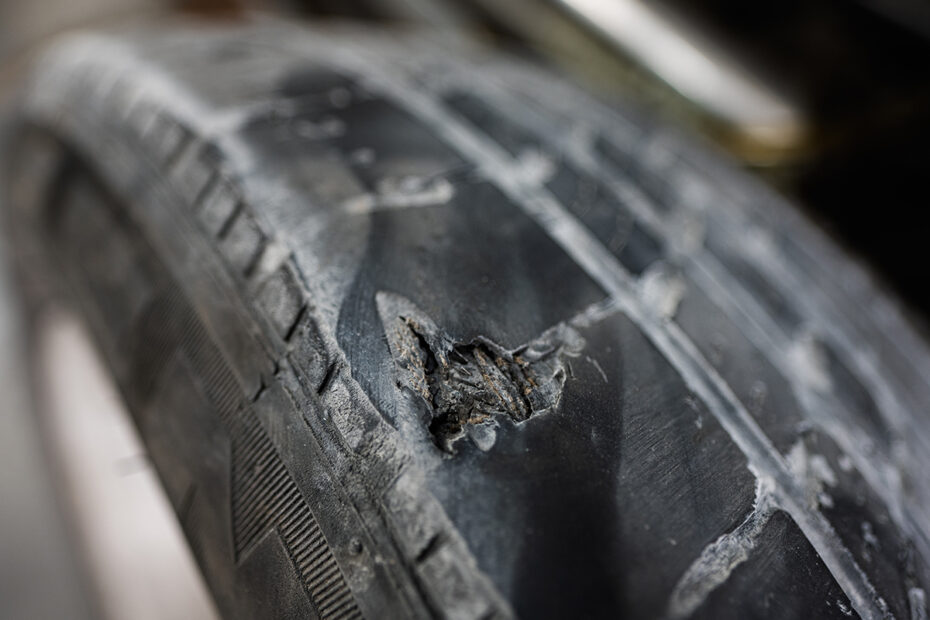
Cracks in the rubber
Bulges or bubbles in the sidewall
Cuts or punctures
Exposed cords or steel belts
These signs may indicate structural damage that can lead to tire failure if ignored.
Don't Forget Tire Age
Even if your tires still have plenty of tread, age matters.
Most tire manufacturers recommend replacing tires that are around six years old, depending on how they’ve been used and stored. Over time, rubber naturally breaks down due to heat, sunlight, and environmental exposure, making older tires more susceptible to cracking and failure.
If you’re unsure of your tire’s age, a tire professional can help you locate and interpret the DOT date code found on the sidewall.
Why Replacing Tires Matters
Waiting too long to replace worn or damaged tires can increase your risk of:
Tire blowouts
Poor braking performance
Reduced traction in wet or snowy conditions
Longer stopping distances
Loss of vehicle control during emergency maneuvers
Replacing your tires before they become unsafe helps protect you, your passengers, and everyone else on the road.
Have Your Tires Inspected Regularly
If you’re unsure whether your tires still have life left, schedule a professional inspection. A trained technician can evaluate tread depth, tire wear patterns, air pressure, alignment issues, and overall tire condition to help you determine whether it’s time for new tires or if maintenance can help extend their life.
Taking a few minutes to inspect your tires today can help prevent expensive repairs—and potentially dangerous situations—tomorrow.