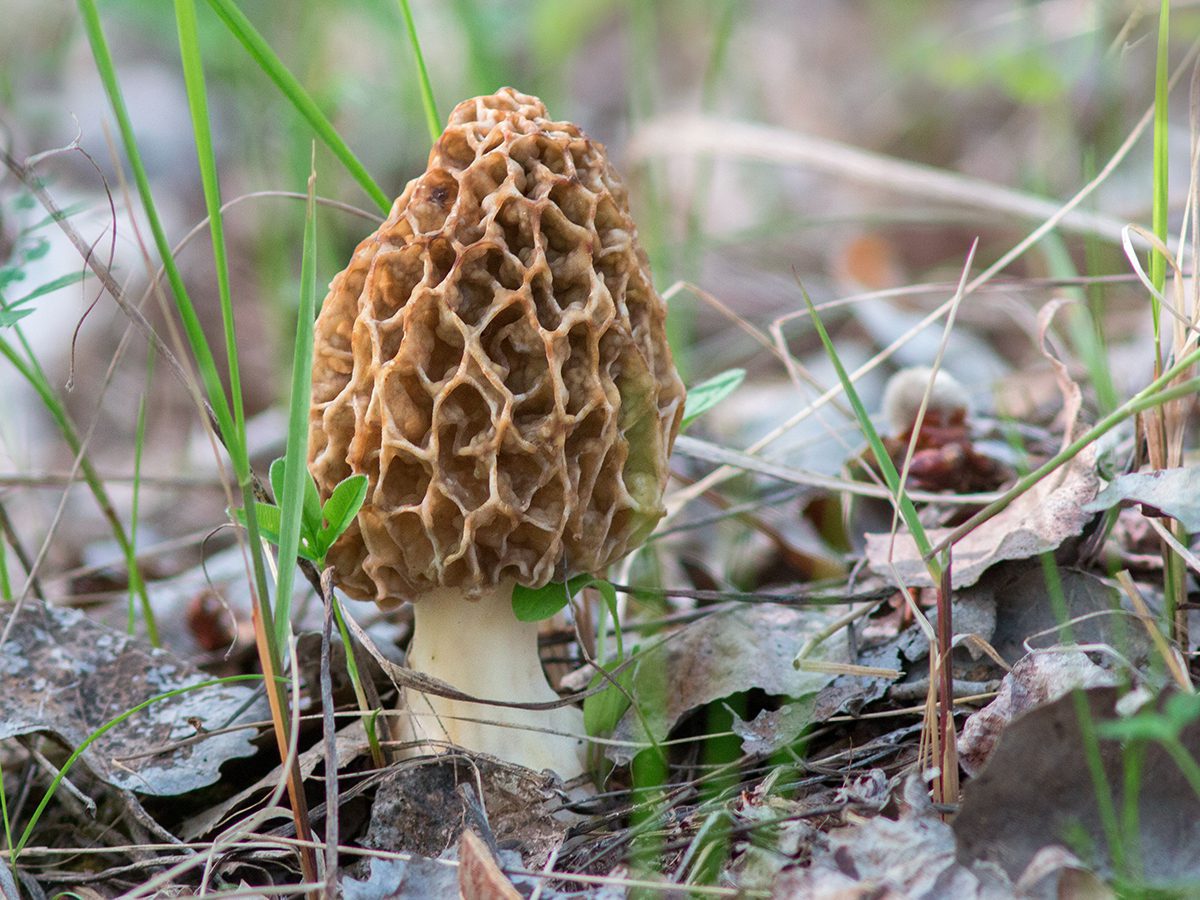
The first signs of spring in the Black Hills aren’t always obvious. Long before the aspens leaf out and summer visitors arrive, another group is quietly watching the hillsides and creek bottoms, waiting for one of nature’s most prized treasures to appear: the morel mushroom.
For many foragers, spring begins with anticipation. Reports of morels start appearing across the country, and by about Mother’s Day, conditions in the Black Hills are often just right. Ground temperatures warm, spring moisture settles in, and the season begins.
But morels are only the start.
Around the same time, wild asparagus pushes through the soil, often revealed by the dried stalks left behind from the previous year. These tender shoots provide one of the first fresh tastes of the season. Along cool creek banks, fiddlehead ferns unfurl their tightly coiled fronds, offering a unique flavor somewhere between asparagus and spinach.
As June arrives, attentive foragers may discover timpsila, or Indian turnip. Though more commonly found on the prairie, this culturally important native plant occasionally grows in select areas of the Black Hills, connecting modern harvesters with generations of Indigenous tradition.
By midsummer, the forest changes once again.
Warm days and periodic rains bring a wide variety of fungi to life. Brightly colored Russulas often signal that lobster mushrooms may soon follow. One of the most eye-catching edible mushrooms in North America, lobster mushrooms transform ordinary Russulas into vivid orange treasures that can persist well into autumn.
Another highly prized find is the Black Hills porcini, Boletus rubriceps. Found in cool, shaded areas near streams and creek beds, these meaty mushrooms reward those willing to venture beyond well-traveled paths. Their rich, nutty flavor has earned them a devoted following among chefs and mushroom enthusiasts alike.
When summer moisture lingers, the forest’s generosity continues. Golden chanterelles emerge beneath the pines, while experienced foragers may encounter black trumpets or clusters of honey mushrooms in more remote corners of the Hills. For many, these late-season finds provide some of the year’s finest meals.
Yet even abundance comes with responsibility.
Wild mushrooms should always be cooked thoroughly, and accurate identification is essential. Even experienced foragers understand that caution is part of the craft. Individual sensitivities can develop unexpectedly, and a mistake in identification can carry serious consequences.
As autumn settles across the Black Hills and winter approaches, one final harvest remains. Chaga, the charcoal-like fungus found on birch trees, can be collected year-round but is often easiest to spot after the leaves have fallen. Though opinions differ regarding its medicinal properties, its long history in traditional medicine has made it a popular ingredient for teas and tinctures.
For those interested in learning more, education is every bit as important as enthusiasm. Valuable local resources include Mushrooms and Other Fungi of the Black Hills and Surrounding Area by Audrey Gabel and Elaine Ebbert, along with David Arora’s classics Mushrooms Demystified and All That the Rain Promises and More.
The Black Hills have always offered more than scenic vistas and winding roads. For those willing to slow down and learn the rhythms of the seasons, the forest reveals another side of itself—a landscape rich with flavors, traditions, and discoveries waiting just beyond the trail.
Just remember: trust your books, trust your mentors, and never trust a mushroom identification from a stranger on the internet.